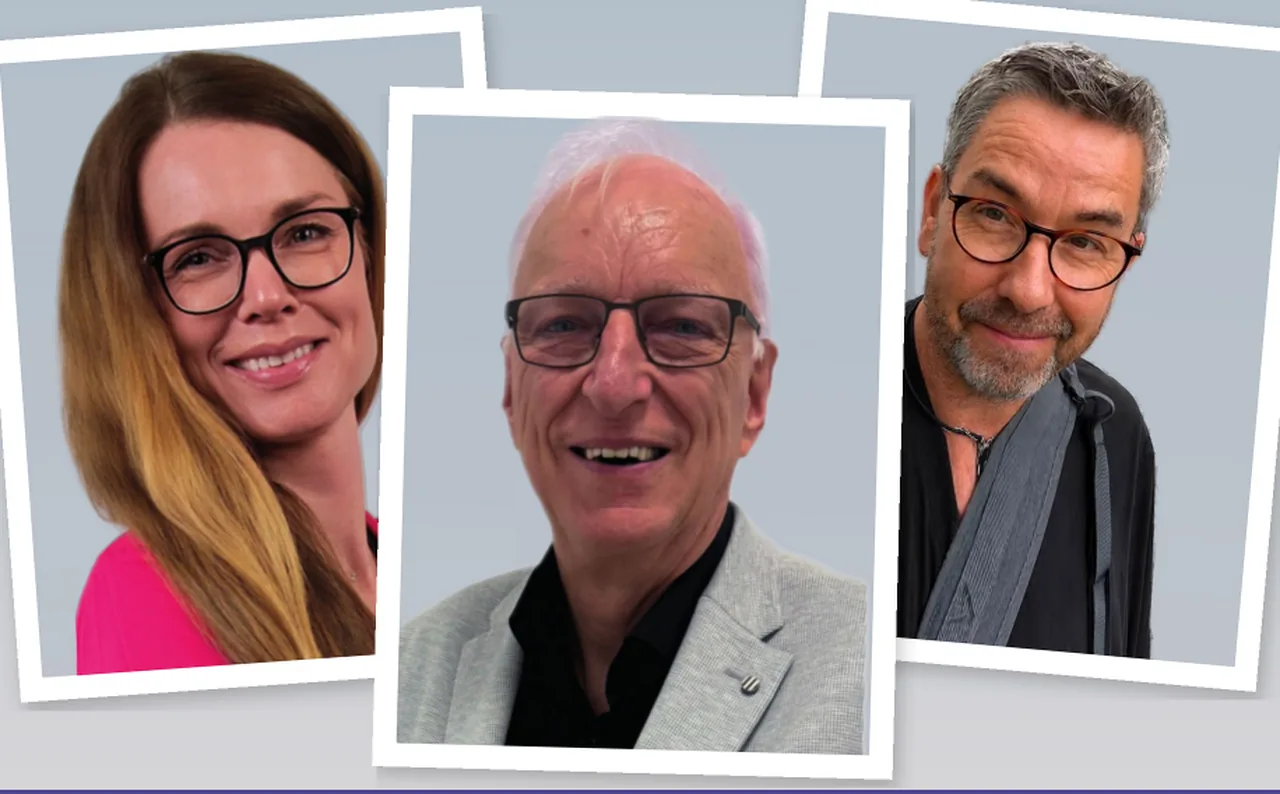
The mood is quietly shifting. And leadership today means listening.
The mood in the country is getting harsher, and we barely talk to one another anymore. Why real leadership today means listening first, and how I am starting exactly there in Papenburg.
Sabrina Wendt
I notice it first in the small things. A conversation at the weekly market that used to flow easily and today turns edgy after two sentences. A meeting where people argue faster than they listen. People who do their job but have lost the lightness in it. There is a tension in the air that I did not know like this a few years ago. At the family table, in the club, in the company.
That has nothing to do with Papenburg alone. It affects us all, across the whole of Germany.
The world does not stop at the city limits
A large part of it comes from outside. The war in Ukraine goes on, the situation around Iran stays tense, and the economy feels it immediately. Companies postpone investments, supply chains wobble, and industry and tourism in particular feel it directly.
Anyone living in a city that lives from shipbuilding and its suppliers understands that without a long explanation. An order that gets postponed at a shipping company in Miami lands a few months later as worry at a kitchen table in Aschendorf. The world does not stop at the city limits, and so I do not pretend it does either.
We barely talk to one another anymore
On top of that comes the situation in our own country. The fringes are getting louder, and many people have the feeling that the center is losing the thread. What concerns me most is something else: we barely talk to one another anymore.
Not only in the Bundestag, but with the neighbor, in the circle of friends, at our own dinner table. Since the pandemic, cracks have crept in there, first in the dispute over measures and trust, then over everything else. Today many conversations already begin with a finished opinion. Whoever thinks differently is not asked, but filed away.
I see it most clearly where people are branded and pushed to the margins. Antisemitism and open hatred are louder again today than I long held possible, often not screaming, but quiet and seemingly reasonable in its packaging. And that is exactly where I speak plainly. Listening means, for me, tolerating other opinions. It does not mean letting every piece of nonsense pass.
Social media does not make this easier. What gets rewarded there is the sharpening and the quantity, not the second thought and the quality. A quick, simple slogan gets more applause than an honest answer that says: it is not that simple. At the end of a day, many people do not feel smarter, only tired. And politics then too often chases after the moods instead of giving them order. That is exactly what makes the uncertainty bigger, not smaller.
That is why politics in times like these needs more than administering and Instagram posts. It needs real leadership again. History shows that societies in crisis found their direction not through volume, but through clarity, patience and backbone.
Konrad Adenauer showed that in his own way. I compare myself with no one, that is not my place. But the principle behind it also carries a size smaller, right down into a city council. Leadership brings order, it does not stir things up.
Neutrality is not the same as taking a stand
Something else comes my way in these months, and I say this in all friendliness. Many people have a clear opinion but prefer to keep it to themselves. Out of concern for the company, the customers, their own position. I understand that consideration well, I know it from my own working life.
Still, I believe we sometimes confuse neutrality with something else. Staying out of it feels safe, but it is often simply the most comfortable path. Taking a stand does not mean seeking every quarrel. Taking a stand means standing by what you consider right, even when silence would be easier.
A city is shaped by the people who show themselves, with their name, their experience, their conviction. Whoever always just waits leaves the direction to others. You are allowed to be for something. That is not a provocation, that is participation. And only those who take part can shape.
Listen first, then deliver
And this is where Papenburg comes into play.
The big question of our time has, in fact, a fairly small, very tangible answer. It is not: get louder. It is: first listen again, then deliver. A city does not get calmer because someone places themselves morally above others. It gets calmer when people notice that their concerns arrive and that something happens.
For me this is nothing abstract.
That is listening as a tool, not as a nice gesture. Part of that is a firm commitment from me: an inquiry gets an answer within a short time, even if that answer is that we do not know yet, but here is the next step. Part of it is also 50 company visits a year. Firmly in the calendar, because I understand a problem in the workshop better than from a stage.
The withdrawal I am describing here even has a number in Papenburg. In the first round of voting in 2021, over 5,000 people did not go to vote at all. That is the same quiet resignation, only at the ballot box.
Whoever has the feeling that no one is listening to them anyway stops getting involved at some point. You do not win these people back with louder slogans or quick Insta reels, but with an administration that calls back.
Many can complain. It gets harder where someone starts to actually do something better. Change does not begin with the loudest shout, but where someone listens again and then brings structure, clear decisions and the will to really solve things.
A possibility-maker is not the one who says the word. A possibility-maker is the one who answers the call and delivers.
Exactly this stance I carry into the town hall: open enough to see how strongly Berlin, Brussels and the great crises reach all the way to us, and down-to-earth enough to know that the solution nevertheless starts first here with us.
Let us talk with one another again more, instead of about one another. In Papenburg I am starting with it.
How do you experience this mood in your surroundings? Feel free to write to me, by email or through the contact form. I am reading along and I answer.